

SEO for AI Search Engines: ChatGPT & Perplexity Explained
Search is evolving rapidly. While Google remains dominant, AI-powered search engines like ChatGPT, Perplexity, Gemini, and Copilot are transforming how users discover information. Instead of showing a list of blue links, these platforms generate direct answers, summaries, and recommendations — often citing only a few trusted sources.
This shift has given rise to a new discipline: SEO for AI Search Engines, also known as Generative Engine Optimization (GEO).
In this guide, we explain:
- How AI search engines source answers
- Why topical authority matters more than ever
- How to structure content for AI visibility and citations
Related Guide: How to Choose the best SEO Company

What Is SEO for AI Search Engines?
SEO for AI search engines focuses on optimizing content so it can be:
- Understood
- Trusted
- Cited by AI systems that generate answers instead of ranking pages traditionally.
Unlike classic SEO, where ranking #1 mattered most, AI search prioritizes:
- Authority
- Context
- Accuracy
- Content structure
- Brand trust
This evolution aligns closely with Generative Engine Optimization (GEO)
1. AI Engines Don’t “Search” Like Google
AI platforms:
- Analyze massive datasets
- Identify authoritative sources
- Synthesize answers from multiple trusted pages
- Prefer well-structured, factual content
They don’t reward keyword stuffing or thin pages.
2. Authority Beats Rankings
AI engines prioritize:
- Domain credibility
- Consistent topical coverage
- Brand trust signals
- Reviews and reputation
A page ranking #5 on Google can still be cited if it demonstrates expert-level authority.
3. AI Engines Prefer Human-First Content
AI avoids content that:
- Sounds promotional
- Is overly sales-driven
- Lacks real insight
This is why understanding AI-generated content vs human-reviewed content matters.
Read Here: What is AI-generated content.

Why Topical Authority Is the #1 Ranking Factor for AI Search
What Is Topical Authority?
Topical authority means:
- Covering a subject deeply and consistently
- Publishing interconnected content
- Demonstrating real expertise over time
AI engines trust topic owners, not one-off articles.
Example: SEO as a Topic
A site with:
- SEO fundamentals
- AI SEO explanations
- Link-building strategies
- Brand trust and transparency
…is far more likely to be cited by AI engines.
Brand Authority Reinforces Topical Authority
AI systems also evaluate:
This is why SEO, branding, and reputation are now inseparable.
Structuring Content for AI Visibility (Critical)
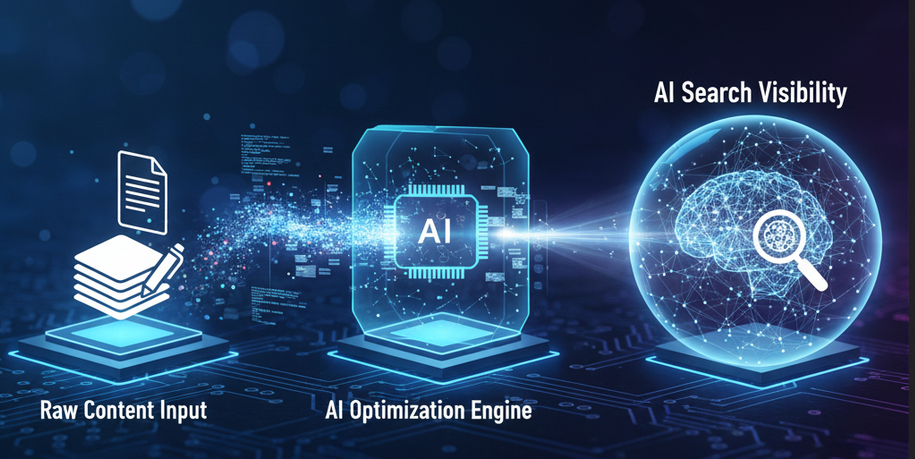
1. Clear Heading Hierarchy (H1 → H2 → H3)
AI engines rely heavily on structure.
Best practices:
- One clear H1
- Logical H2 sections
- Descriptive subheadings
- Question-based headings where possible
This improves:
- AI comprehension
- Featured answer eligibility
- Citation accuracy
2. Answer Questions Directly
AI engines prefer clear, concise answers.
Bad example:
“SEO is a complex digital marketing practice involving many aspects…”
Good example:
“SEO for AI search engines focuses on optimizing content for authority, clarity, and trust so it can be cited in AI-generated answers.”
3. Internal Linking Signals Context
Internal links help AI engines understand:
- Topic relationships
- Content depth
- Site architecture
Strong examples include:
4. Entity & Brand Signals Matter
AI engines recognize entities, not just keywords.
You strengthen entity recognition by:
- Consistent brand mentions
- Clear service definitions
- Market segmentation
Integrated services like:
SEO vs GEO: What’s the Difference?
| Traditional SEO | AI SEO (GEO) |
|---|---|
| Rank pages | Get cited |
| Keywords | Context |
| Backlinks | Authority |
| Traffic | Trust |
| Clicks | Answers |
Both are important — but AI SEO builds future-proof visibility.
Why Link Building Still Matters for AI SEO
High-quality backlinks:
- Reinforce authority
- Validate trust
- Strengthen brand signals
But quality > quantity.
AI engines discount:
❌ Spam links
❌ PBNs
❌ Automated backlinks
Read Here : Why Ethical strategies still win.
The Role of UX, Design & Speed in AI Visibility
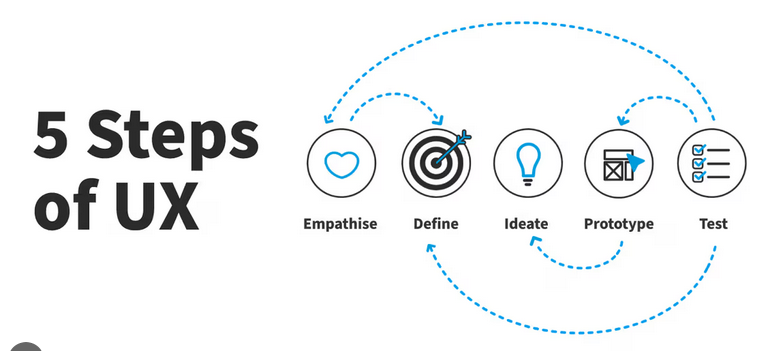
AI systems indirectly evaluate:
- Engagement signals
- Readability
- User satisfaction
That’s why:
- Clean design
- Proper typography
- Fast load times
…all support AI SEO.
Trust Signals AI Engines Look For
AI prefers brands with:
- Clear contact information
- Transparent enquiry funnels
- Real reviews
- Consistent messaging
Trust is now a ranking factor across both AI and Google search.
Final Thoughts: SEO Is No Longer Just for Google
SEO for AI search engines is not optional — it’s the future.
To succeed in 2026 and beyond:
-
Build topical authority
-
Optimize content structure
-
Focus on trust, not tricks
-
Integrate SEO with branding and UX
-
Embrace Generative Engine Optimization
📩 Want to make your brand visible in ChatGPT & Perplexity? Get in Touch with us Today!